From Military Medic to Rad Tech: A Transition Guide
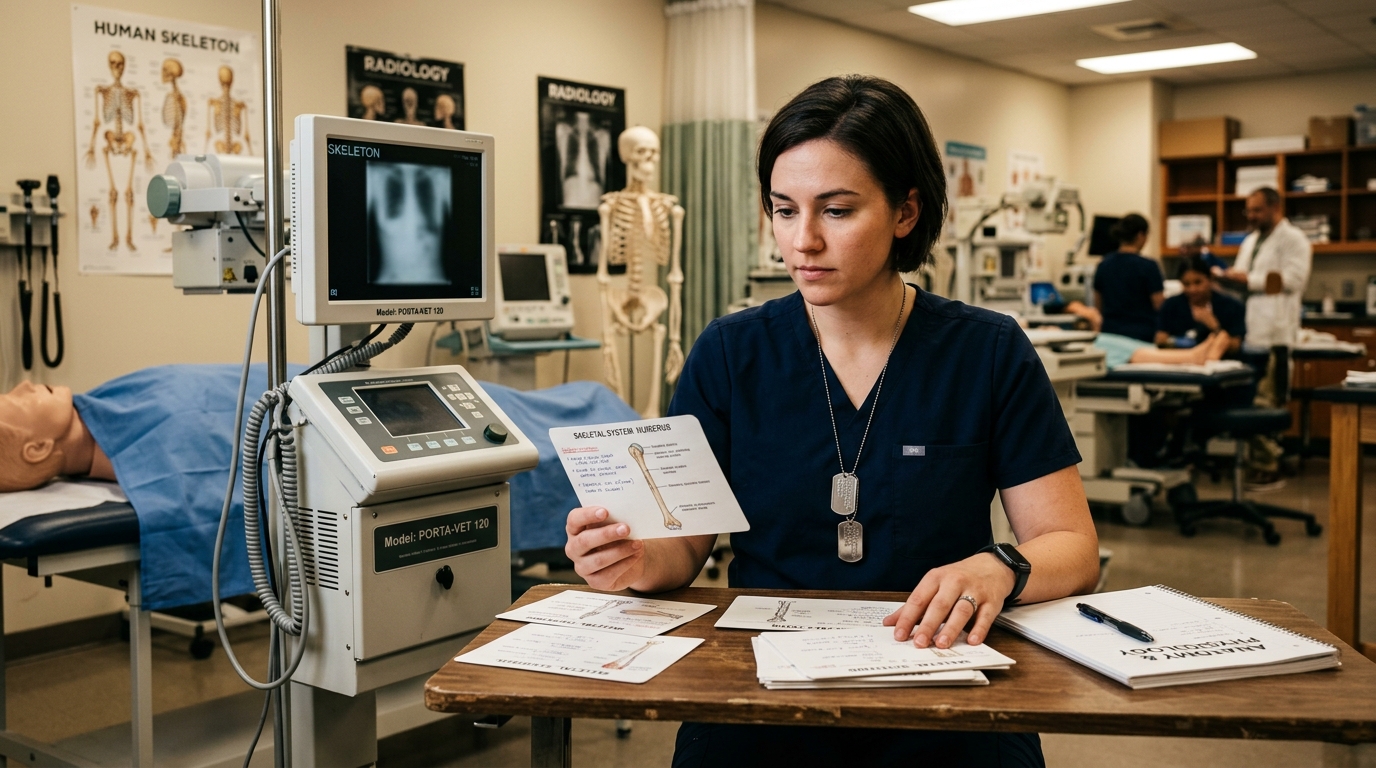
I'll be honest—when I first started training veterans to become rad techs, I was skeptical. Not about their potential, but about whether our programs were actually designed with their unique backgrounds in mind. That was five years ago, and I've since trained over 40 military medics and corpsmen through accelerated programs and worked alongside another 50+ who came through traditional routes. What I've learned is this: veterans don't just become good rad techs. They often become exceptional ones.
If you're a military medic, corpsman, or field medical personnel considering the transition to radiology technology, you're actually in an incredible position. Your training, discipline, and trauma exposure give you a head start that most civilian radiography students don't have. But the pathway isn't always obvious, and the system isn't always set up to recognize your credentials. Let me walk you through it.
Understanding What Skills Actually Transfer
Here's where I see most veterans get hung up: they underestimate how much their military medical training translates to rad tech work.
You already understand anatomy and physiology at a level most imaging programs spend weeks teaching. You've worked under pressure in complex situations. You understand patient care, privacy regulations (because HIPAA is essentially medical professionalism codified), and you know how to document precisely. You've probably worked with some imaging tech if you were deployed—maybe portable X-rays, maybe ultrasound units. That matters more than you think.
When I was working as a travel rad tech in 2015, I was staffing an understaffed rural hospital in Colorado, and one of my shifts overlapped with a former Army medic named Marcus who was in his first semester of rad tech school at the local community college. He was working as a patient transport aide while studying—something I see veterans do constantly because they're smart about cash flow during training. Marcus could position patients like nobody's business because he already understood anatomy. He knew why we were positioning the way we were, not just where to move the arm.
Within two years, Marcus was our best CT tech. Within five, he was training staff. That's not unusual.
The GI Bill Route: Your Financial Foundation
Let's talk money because it's a real concern. Most rad tech programs run 24 months for an Associate degree, and some are 4-year Bachelor programs now. The tuition isn't negligible, and you shouldn't go into that blind.
The Post-9/11 GI Bill will cover full tuition and fees at public schools (up to the BAH for your state) plus give you a housing stipend and a book allowance. At most community colleges offering rad tech programs, this covers everything with money left over. At universities offering rad tech degrees, it'll cover most of it. Some veterans also qualify for additional VSOC (Vocational Rehabilitation and Employment benefits) if they have a service-connected disability, which can supplement your GI Bill.
Here's what I tell every veteran: sit down with your school's VA certifying official before you enroll. They can tell you exactly what you'll get. Some schools are better at processing VA education benefits than others—I've seen veterans at programs with terrible administrative support lose months dealing with payment delays. You want a school that has its act together.
One veteran I worked with, Derek, had been a Navy corpsman. He went through the VocRehab system because of hearing loss from his service, and his benefits package covered his entire 2-year radiography program plus gave him a vocational counselor who helped him navigate the job market. That kind of support matters.
Accelerated Programs: Worth It or Not?
There's a growing number of programs specifically designed for people with prior medical training—sometimes called "bridge programs" or "accelerated pathways." These typically run 12-18 months instead of 24. Some programs will give you credit for certain didactic coursework if you've already studied anatomy.
I'm a fan of these programs, but with caveats. The accelerated timeline works if you're prepared to commit fully. You can't work full-time and do an accelerated program well—I've seen people try, and they either drop out or graduate burnt out. If your GI Bill or other benefits can support you being a full-time student, accelerated is fantastic. It gets you working faster, earning sooner.
But don't skip a program just because it's slower. A solid 24-month program from an accredited school will serve you better long-term than a sketchy 12-month one. The ARRT (American Registry of Radiologic Technologists) doesn't care how long you studied—they care that you pass the exam. But your clinical training quality matters hugely for confidence and competence when you hit the job market.
Look for JRCERT-accredited programs. That's your marker of quality.
Finding the Right Program for Your Situation
Okay, so where do you actually enroll? Here's my workflow advice based on what I've seen work:
Start local. Community colleges in most metropolitan areas have rad tech programs, and they're often the cheapest option with good VA benefits processing. Your closest VA Medical Center might also have information about local programs—VA liaisons sometimes have relationships with schools and can point you toward ones with good veteran support infrastructure.
Ask about veteran cohorts. Some schools actively recruit veterans because they know we're reliable, disciplined, and focused. These programs sometimes have dedicated veteran student services and financial aid officers who understand VA benefits. That's worth something.
Check job placement. Call the program and ask where their graduates work. If most graduates stay in the area, that's good for you if you want to stay local. If they're spreading across different regions, the school has a reputation that carries nationally. Ask about starting salaries—any good program can tell you that.
Understand the cert timeline. Most programs have you sit for the ARRT exam right around graduation. You don't have to wait. Some veterans are anxious about the exam, and I get it—you're used to passing military qualifications under pressure, so that's actually an advantage. The ARRT exam is challenging but fair. I recommend the ASRT study resources and taking at least one practice exam before test day.
The Real Challenges You'll Face (And How to Handle Them)
I don't want to sugarcoat this. Veterans often face unique challenges in rad tech training, and you should know them upfront.
The patience factor. Military medics are often used to quick decision-making and moving fast. Rad tech training involves a lot of protocol, standardization, and "we do it this way because that's how it's always been done." Some protocols are evidence-based and some are just institutional habit. This drives former military folk crazy. My advice: channel that criticism into professionalism. Ask questions respectfully. Push for evidence. But also understand that radiology departments need standardization to work efficiently. You'll learn to balance these.
Civilian medical culture shock. Military medicine is mission-focused and hierarchical in specific ways. Civilian healthcare is different. Radiologists might interact with you more collaboratively than your command structure did, or sometimes less respectfully—you'll encounter both. Veterans sometimes struggle with the shift. I've seen it. The best response is to establish yourself as competent and professional quickly. Let your work speak.
Credential recognition. This is the hard truth: your military medical credentials don't transfer directly. Your EMT, Combat Medic badge, or paramedic training doesn't exempt you from the rad tech program, even though you have relevant knowledge. It's frustrating. But here's the bright side: you'll get some credit through competency assessments, and most programs will move you along faster once they see you actually understand the material.
Imposter syndrome. Veterans often feel like they should already know everything and beat themselves up for needing to learn new material. You're not behind. You're just transitioning, and transition is supposed to involve learning. Give yourself grace here.
Resources That Actually Help
When you're ready to take this step, here's what I recommend:
- ASRT website (asrt.org): Research programs, find JRCERT-accredited schools in your area
- VA Education Benefits: va.gov/education has complete information on Post-9/11 GI Bill and other veteran education programs
- Your local VA hospital: Talk to their education liaison. They're goldmines of information
- ARRT: asnrt.org—this is where you'll eventually certify. Explore their requirements early
- Veteran-specific job boards: Many rad tech jobs now have military-friendly filters. MilitaryHire, Veterans Job Mission, and some general med tech sites filter by veteran-friendly employers
What Happens After Graduation
Here's the reality: you'll graduate, you'll be certified, and you'll be in a phenomenally strong position for employment. The rad tech shortage is real. Facilities are actively seeking new graduates, and veterans often get preference in hiring at VA hospitals and military-friendly health systems.
When you're interviewing, don't downplay your military background. Employers recognize that veterans are reliable, understand hierarchy, can work under pressure, and tend to stay in roles because we're mission-focused. That's marketing gold.
The median salary for a rad tech in 2025 was about $68,000, with experienced techs making $75,000-$85,000+. If you specialize (MRI, CT, mammography), those numbers go up. Many facilities are offering signing bonuses right now because the shortage is acute. Over a 25-year career, this is solid income.
I've watched dozens of veterans transform their careers through this path. They came in with discipline and purpose. They left as licensed, certified imaging professionals making good money in stable healthcare jobs. That transition is absolutely available to you.
The pathway is there. Your background is an asset. Your training is real. Now it's just a matter of taking the next step.
Related Articles

Burned Out as a Rad Tech? Here's How to Reignite Your Career
April 23, 2026

Managing Up: How Rad Techs Can Influence Department Decisions
April 22, 2026

How to Compete With Travel Agency Pay Without Breaking Your Budget
April 22, 2026
Quality Assurance in Radiology: Why QA Culture Affects Retention
April 21, 2026