Hiring Rad Techs in Rural Areas: Strategies That Actually Work
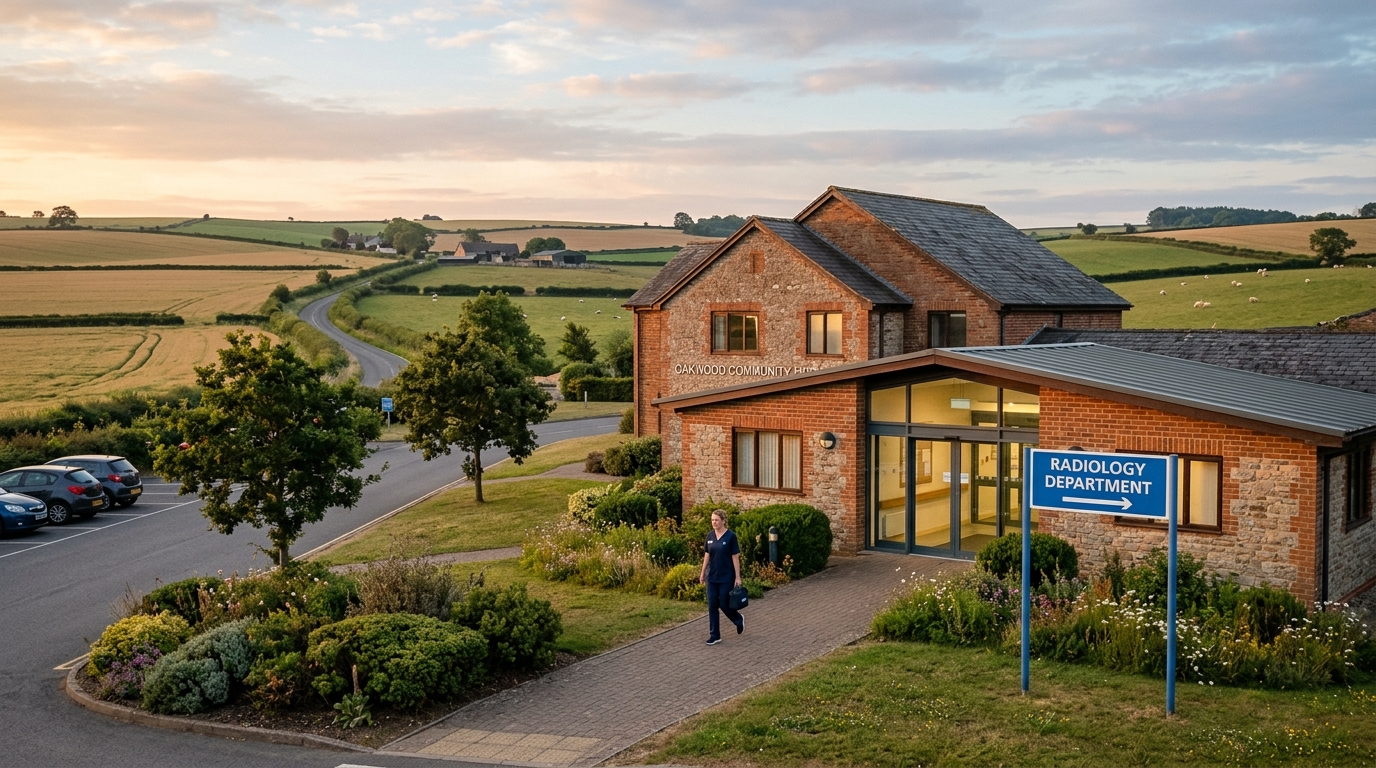
I've been there. Standing in the imaging department of a 120-bed rural hospital in upstate New York, staring at staffing schedules that looked more like a jigsaw puzzle than an actual plan. We had three vacancies. Three. And the recruiter kept telling me we'd be lucky to fill one of them within six months.
That was fifteen years ago. I'd just been promoted to imaging department manager, and honestly, I was naive. I thought a good job posting would bring candidates knocking. I thought word-of-mouth would fill seats. I thought wrong.
Rural rad tech hiring isn't broken—it's just different from urban recruitment. Once I understood that, everything changed. We not only filled those three positions within eight weeks, but we also created a pipeline that actually sustained itself. I want to share what I learned, because I know you're dealing with the same problem right now.
The Rural Rad Tech Reality Check
Let's start with honesty: rural hospitals compete from a position of disadvantage. You can't pretend otherwise, and trying to will waste your time. A rad tech in a metro area might have fifteen different hospitals within a thirty-minute drive. They can work at Johns Hopkins today and apply at Georgetown tomorrow. They have leverage.
Rural techs? They don't have that leverage. That's actually useful to understand, though maybe not the way you think. It doesn't mean they'll take less—it means they need different things. Stability matters. School districts matter. Cost of living matters way more than it does to someone living near a major medical center. A rad tech considering a move from Pittsburgh to rural Pennsylvania isn't thinking about the hospital's PACS system or the latest CT scanner specs. They're thinking about where their kids will go to school and whether their spouse can find work.
The rad tech shortage hits rural areas harder because we start behind. Bureau of Labor Statistics data shows that radiology technologist positions are projected to grow 7% through 2032, but that growth is concentrated in urban and suburban markets. Rural hospitals are fighting for crumbs from an already-tight talent pool. No amount of fancy marketing fixes that. What fixes it is strategy.
Strategy One: Stop Thinking National, Start Thinking Regional
My biggest mistake was posting to nationwide job boards and expecting to attract talent. I'd see applications from California (nice try, but no), Florida (temperature's great, isolation isn't), and everywhere else except the three states that actually made sense for our location.
What worked was narrowing our focus. We identified five specific regions within a two-hour radius that had nursing programs, community colleges, and the right demographic profile. We targeted those hard. We went to career fairs at technical schools. We built relationships with imaging program coordinators. We didn't blast messages to everyone—we had conversations with the right people.
This also meant understanding commuting patterns. A rad tech fifteen miles away has a totally different calculus than one fifty miles away. We found candidates who were already in the geography, just in the wrong healthcare setting. Some were traveling techs on hiatus. Others were working part-time somewhere and wanted full-time stability. That regional lens changed everything.
One candidate we hired—Melissa—was working PRN at three different facilities just to cobble together a living. She was living forty minutes away and burning through gas money. When we offered her full-time with benefits, she actually cried. She'd been praying for something exactly like that. But we'd never have found her if we'd stuck to national job boards.
Strategy Two: Compensation That's Actually Competitive
Here's where rural hospitals often fool themselves. They think rural means cheaper. They figure a rad tech will take 10-15% less money because the area's got lower cost of living. Partly true. But it doesn't scale like they think.
We benchmarked against every hospital within our region. Not national averages—regional averages. That mattered. We found our starting salary was $3,200 a month. Nearby hospital thirty miles away was $3,500. Big enough difference to make someone choose them. So we matched it. Not to undercut—to be competitive.
But salary isn't the whole picture. We built out a benefits package that actually meant something in rural areas. We offered sign-on bonuses ($3,500 for rad techs, $5,000 for MRI techs—that was 2015 money, adjust accordingly). We covered CME costs fully. We had loan repayment assistance. We created tuition reimbursement for techs wanting to advance from general rad tech to CT or MRI.
The loan repayment thing surprised me with its effectiveness. A lot of rad techs had community college loans that were painful at their income level. We offered $150 a month toward loan payoff for two years. It sounds modest, but psychologically? It was huge. A tech told me once, "It's not about the money—it's about feeling like the hospital's invested in my future."
Strategy Three: Lead With Culture, Not Credentials
Rural hospitals have one huge advantage: we're smaller. You actually know your coworkers. You actually have a team. And somehow this had become invisible to us as a selling point.
I started highlighting our culture hard. We weren't the "advanced medical center." We were "a tight-knit team where everyone knows your name." We talked about the imaging tech who covered someone's shift so they could attend their kid's soccer tournament. We shared stories about how the department celebrated retirements, births, and milestones. We didn't position ourselves as a stepping stone to something bigger—we positioned ourselves as a destination.
This meant candidates met our current team before being hired. Not just the manager and maybe one senior tech. They met everyone. Sat with them. Asked real questions. That transparency was scary at first—what if they didn't like us?—but it was powerful. If someone chose us, they were choosing us. Not for the prestige or the resume line. For the actual community.
We also stopped calling it "rural." We called it "tight-knit." We called it "community-focused." We talked about being a place where the work you do directly impacts your neighbors. That resonates differently than "remote," "isolated," or "limited resources."
Strategy Four: Build Your Own Pipeline
This sounds obvious, but I resisted it for years. I didn't want to develop techs—I wanted to hire experienced ones. Wrong. Rural hospitals have to develop their own talent.
We partnered with the community college forty minutes away. We hired two people directly as interns—full-time positions where they worked twenty hours a week while finishing school. We paid well for interns ($20/hour in 2015). When they graduated, we transitioned them to full-time staff. Both are still with us ten years later.
We also started taking on practicum students. Yes, supervising students is work. Yes, not all of them become employees. But some do. And they're already trained in your systems, your culture, your protocols. The transition is smooth.
One of those practicum students—Dave—is now our senior CT technologist. He knew our department before he even had his license. There was zero onboarding friction. He walked in knowing where equipment was, how our EMR worked, who did what. That's gold.
Strategy Five: Be Honest About What You Actually Offer
This might be the most important one. Rural doesn't mean bad. But it does mean different. Don't pretend you have the same technical environment as a major medical center. Own it.
We have a newer CT scanner—great. Our ultrasound machines are solid. But we're not doing complex interventional radiology cases. We're not offering brand-new AI-integrated systems. We had to acknowledge that and lean into what we do offer instead: variety of work, lower patient volumes that let you really think about each case, direct relationships with your radiologists, and the autonomy to solve problems.
I remember interviewing a young tech who asked whether we did advanced interventional work. I said honestly: "We don't. We refer those cases out. If advanced IR is your five-year plan, this might not be the place." He appreciated the honesty so much that he took the job anyway. He worked with us for three years before moving to a larger center for career progression—exactly what he said he wanted. When he left, it was amicable. He'd gotten what he needed. We'd gotten what we needed.
The Long Game
Hiring your first rural rad tech is hard. Hiring your second is easier. By your fifth, you've got momentum. People you hired tell their friends. Your reputation builds. The pipeline develops.
These strategies won't fill your openings instantly. But they'll build a sustainable hiring model that works with rural realities, not against them. They'll let you compete effectively when you're not competing on size or reputation—you're competing on culture, honesty, and real investment in your people.
If you're serious about solving your rad tech shortage, start with the regional focus. Get your compensation right. Then lean hard into what makes your rural hospital actually better—because there's plenty that does. You just have to know how to talk about it.
When you're ready to post those positions, post them on RT Job Bank where candidates actively searching for rad tech opportunities—including those in rural areas looking for the right fit—are already looking.
Related Articles

Burned Out as a Rad Tech? Here's How to Reignite Your Career
April 23, 2026

Managing Up: How Rad Techs Can Influence Department Decisions
April 22, 2026

How to Compete With Travel Agency Pay Without Breaking Your Budget
April 22, 2026
Quality Assurance in Radiology: Why QA Culture Affects Retention
April 21, 2026