Why Veterans Make Excellent Radiology Technologists
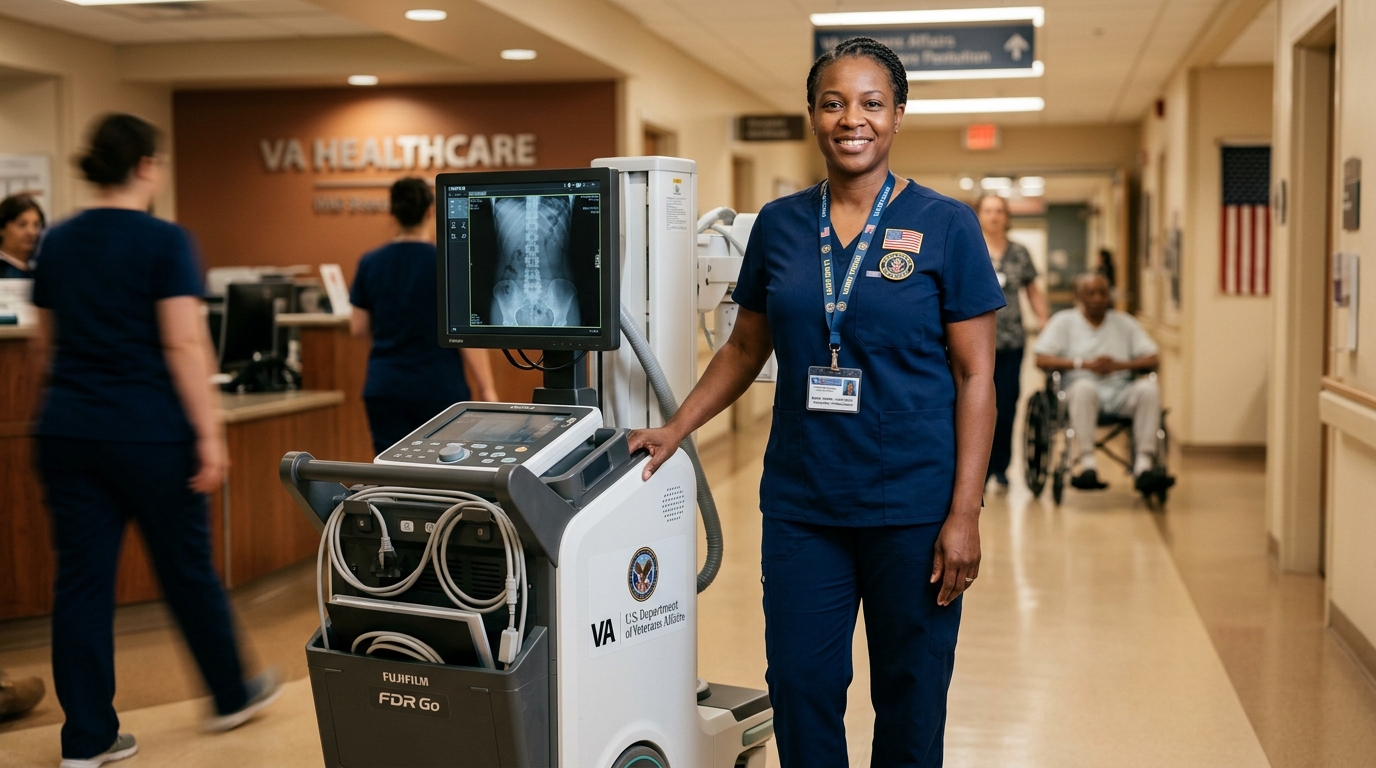
I spent five years as an Army medic before I ever touched an MRI machine. That military background shaped my entire radiology career, and honestly, I think veterans are one of the most underutilized resources in healthcare recruiting right now.
I'm not saying this because I'm a vet—I'm saying this because I've worked alongside hundreds of technologists over fifteen years, and I can tell you with certainty: veterans bring something specific and valuable to radiology work.
Let me break down why, and then I'll talk about how employers can actually tap into this pool.
The Military Skills That Transfer Directly to Radiology
Discipline and Protocol Adherence
In the military, protocols exist for a reason. You follow them. Not because someone's watching, but because protocols keep people safe and mission-critical.
Radiology has protocols too—patient positioning, radiation safety, equipment operation, emergency procedures. A vet walks in understanding that protocols aren't bureaucratic hassles; they're frameworks for safety and consistency.
I've trained both vets and civilians. The vets don't question why we position this way for a femur X-ray or why we use this specific MRI safety checklist. They get that the protocol is there because it works, and deviations risk problems.
This matters more than you might think. It means less on-the-job re-training, fewer mistakes, and a baseline safety culture that's already baked in.
Technical Aptitude and Mechanical Understanding
A lot of vets come from technical military backgrounds—equipment maintenance, communications, engineering. Even if they didn't, military service teaches you how to operate complex systems, troubleshoot when something's wrong, and stay methodical.
Medical imaging equipment is complex. There are MRI machines with multiple coil systems, CT scanners with complicated protocols, ultrasound machines with dozens of settings. Vets approach these systems the same way they approached military equipment: systematically, respectfully, and with the understanding that you need to learn the system to operate it well.
I've watched veteran techs pick up new equipment faster than civilian techs. Not because they're smarter, but because they have a framework for learning complex systems.
Working Under Pressure
Military training inoculates you against panic. When an alarm goes off in an MRI, a panicked person freezes or makes mistakes. A vet takes a breath and thinks through the problem methodically.
I've seen veteran techs handle patient emergencies, equipment failures, and chaotic ER calls with a calm that comes from training. Not immunity to stress—but experience managing it.
This is valuable in radiology because things do go wrong. Patients have anxiety attacks. Equipment malfunctions. An ER doc yells that they need a stat CT. A vet's trained to function in these moments without losing their head.
Teamwork and Hierarchy
Military culture is profoundly team-oriented. Your survival depends on your team. Your mission depends on coordination. Vets understand chain of command, respect authority structures, and work collaboratively without resentment about hierarchy.
Radiology is collaborative: you work with radiologists, other techs, nurses, transport staff, nurses. You're part of a team where people have different roles and responsibilities. Vets get this instinctively.
Specific Examples From My Career
I've hired and trained dozens of vets, and certain patterns emerge.
Marcus, former Air Force military policeman, came to radiology because he wanted something stable after service. He'd never worked in healthcare. But Marcus understood discipline, understood equipment systems, understood chain of command. He was competent as a CT tech within six months—faster than most. He's been doing this for eight years now and he's one of my most reliable colleagues.
Sarah, former Navy corpsman, brought actual medical background to the job. She understood patient care, understood anatomy, understood why we care about certain details. She was especially good with anxious patients because her military medical training taught her confidence and reassurance. She's now our chief tech.
Donald, former Army maintenance technician, had zero healthcare background. But when we got a new MRI machine, he picked up the technical specifications faster than anyone else because he was used to reading complex equipment manuals. Now he's our go-to for equipment troubleshooting and training new techs on new machines.
These aren't outliers. These are patterns I see repeatedly.
The Education Path for Veterans
Here's where it gets really valuable for both vets and employers:
The GI Bill
The Post-9/11 GI Bill covers education pretty comprehensively. A veteran can often do a two-year radiology tech program with tuition and fees covered, plus a housing stipend. That's a huge advantage. They can go to school without crushing student debt.
This also means veteran techs are more likely to stay in one place because they're not desperate to jump around to pay down loans. They've got more breathing room.
VA Vocational Rehabilitation
If a veteran has a service-connected disability, they can often access VA vocational rehabilitation benefits to train for a new career. Radiology tech programs are perfect for this pathway because they're two years, they lead to a stable job, and they don't require extreme physical demands.
I've worked with several vets who used Voc Rehab to transition to radiology after service injuries made their original careers impossible. It's a good program that healthcare employers should know about.
Prior Medical Training
Many vets come with medical background from military service. Combat medics, surgical techs, hospital personnel—they've got anatomy knowledge and medical context that civilians often have to learn from scratch.
What Veterans Are Looking For in Employers
If you're going to recruit vets, understand what they value:
Respect and stability. Vets often come from military hierarchy where competence is valued and performance means something. They want employers who take their work seriously and value results.
Clear expectations. Give vets clear job descriptions, clear chains of command, clear standards for performance. Ambiguity is frustrating to people trained in structured environments.
Structure and routines. Veterans often appreciate the predictability of scheduled work. Shift work, while challenging for some, is often preferable to uncertainty.
Community. Veterans value camaraderie and connection. Departments with strong team cultures are more attractive.
Health and mental health support. Some vets will need to access VA benefits or mental health services. Employers who are understanding about this and cooperative with scheduling are hugely appreciated.
How Employers Can Recruit Veterans
Partner with veteran organizations.
Organizations like Team Red White & Blue, Veterans to Agriculture, and the Military Officers Association of America have healthcare pathways. Connect with them.
Reach out to military institutions.
If you're near a military base, reach out to the career transition services. Bases help service members transitioning to civilian work. Radiology tech is a stable civilian career they'd love to recommend.
Use veteran-specific job boards.
LinkedIn, Indeed, and other boards have filters for veteran hiring. RecruitMilitary.com, VetTriage, and ClearedJobs.net are specifically for veterans. List your jobs there.
Highlight your benefits.
If you offer tuition assistance, mental health services, flexible scheduling for VA appointments, or other benefits valuable to vets, say so explicitly. Veterans who are choosing between employers look for these things.
Be prepared for questions about VA benefits.
Some veterans will ask about employer coordination with VA benefits. Understand this space. It's not complicated, but being knowledgeable makes you more attractive.
Addressing the Elephant in the Room
I want to be direct about something: there are vets with PTSD, trauma responses, or other service-related challenges. This is real.
But here's the thing: PTSD affects people across all populations. Hiring vets isn't riskier than hiring anyone else. What's different is that vets have training in stress management and functioning under pressure.
Most of the veteran techs I know manage their health and their work effectively. Some access mental health support—which is awesome because it means they're taking care of themselves. Employers who support this actually end up with more stable, committed employees.
The stereotype that vets are at higher risk for problems is outdated and frankly inaccurate for most of the working-age veteran population.
The Reality
Veterans are in the workforce because they want to serve—not in a military sense anymore, but in the sense that they want meaningful work and stable careers. Radiology tech checks both boxes.
The military skills transfer directly. The work ethic is usually there. The ability to handle pressure is there. The teamwork orientation is there.
And right now, with the rad tech shortage being what it is, employers can't afford to ignore an entire population of trained, disciplined people who are actively looking for stable careers.
If you're a veteran considering radiology: this is a good path. Your background matters. The skills you have are valuable here.
If you're an employer: start recruiting vets. Call local military transition services. Put your jobs on veteran job boards. This isn't charity—it's smart recruiting.
The vets I've worked with over fifteen years have been some of my most valued colleagues. That's not sentiment. It's observation.
Related Articles

Burned Out as a Rad Tech? Here's How to Reignite Your Career
April 23, 2026

Managing Up: How Rad Techs Can Influence Department Decisions
April 22, 2026

How to Compete With Travel Agency Pay Without Breaking Your Budget
April 22, 2026

Travel Rad Tech Life: The Honest Pros and Cons Nobody Tells You
April 21, 2026