Dose Optimization Champions: Building a Radiation Safety Culture
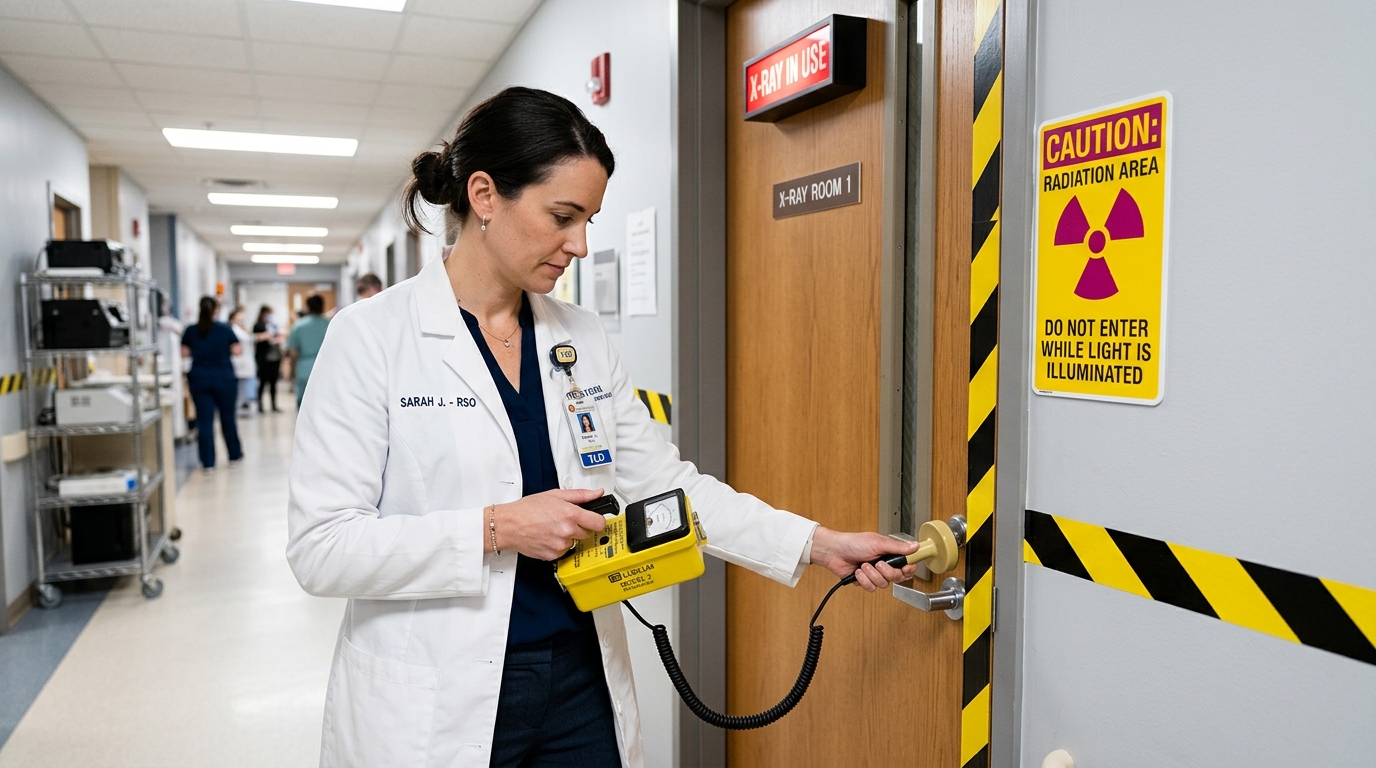
I was nine years into my career as a radiologic technologist when something shifted. I wasn't burned out, exactly, but I felt increasingly disconnected from why I'd chosen this profession. I was technically good at my job. I could position a patient efficiently, optimize an image, troubleshoot equipment. But I'd stopped thinking about the impact of what I was doing.
Then our hospital started a dose optimization initiative. And I volunteered to lead it.
What seemed like a compliance project—checking boxes on radiation safety audits—actually became the most rewarding work I'd done in imaging. Because building a dose optimization program isn't really about dose optimization. It's about helping technologists understand why their work matters. It's about connecting daily technical decisions to a larger mission.
And I've learned something critical: radiology technologists stay at facilities where they feel that sense of professional pride. Where what they do means something beyond the paycheck.
The departments winning at retention right now aren't the ones with signing bonuses. They're the ones with strong safety cultures where techs see themselves as dose optimization champions.
What ALARA Actually Means (Beyond the Acronym)
ALARA stands for "As Low As Reasonably Achievable." It's a principle most of us learn in our initial rad tech training. Minimize dose while maintaining diagnostic image quality. It's in our code of ethics. It matters.
But here's what I see in most departments: ALARA remains a concept, not a culture. It's mentioned in orientation, appears in the employee handbook, maybe shows up in annual compliance training that nobody really engages with.
What I've learned is that when ALARA becomes a living principle—when it's woven into how your department makes decisions and measures success—it changes everything.
Instead of "minimize dose while maintaining quality" being an abstract principle, it becomes the real daily work. A technologist thinks: "Can I optimize this protocol without compromising diagnostic quality?" A radiologist respects technologists who proactively adjust technique based on patient size. Equipment is selected partly on dose characteristics. Professional development includes dose management training.
That's ALARA culture.
And it's a retention tool most departments aren't using.
Why Dose Culture Matters for Tech Retention
Here's what I've observed after fifteen years in radiology: the technologists who stay engaged and satisfied aren't necessarily the ones making the most money. They're the ones who feel professionally proud of their work.
When you work in a department with a strong dose optimization culture, several things happen:
You feel like your expertise matters. Dose optimization requires technical knowledge, judgment, and continuous learning. You're not just pushing buttons; you're making informed decisions about radiation protection. That's professional work, and it feels that way.
You see tangible impact. Unlike many healthcare jobs where the impact is abstract, dose optimization gives you direct feedback. You can see that your protocol modifications reduced dose by 15% without compromising image quality. That patient got the diagnostic information they needed with less radiation exposure. You did that.
You're part of something meaningful. Radiation safety isn't just compliance. It's directly tied to patient protection. Being part of a culture where that matters daily—where colleagues discuss dose optimization in staff meetings and celebrate improvements—gives your work larger meaning.
You're learning constantly. Strong dose optimization programs require ongoing education. You're attending webinars on new techniques, learning about equipment upgrades, understanding physics principles. Your brain is engaged. You're growing professionally.
You feel valued. Departments with strong safety cultures explicitly value the technologists who drive them. Recognition, career advancement opportunities, and professional respect flow to people making safety contributions.
I've seen technologists turn down higher-paying jobs at facilities without strong safety cultures because they didn't want to leave the professional environment they'd built.
How to Build Dose Optimization Champion Roles
Creating a real dose optimization program starts with formalizing champion roles. Here's what's worked in my experience:
Step 1: Identify who cares. Not everyone will be interested in leading dose optimization, and that's okay. But some technologists will be energized by it. Ask. Look for the people asking questions about technique, interested in physics, or naturally thoughtful about their practice. Those are your potential champions.
Step 2: Give them real authority and resources. Here's where most programs fail: they create a dose champion role but don't give the person actual influence or support. A real champion needs:
- Time allocated to the role (not just "do this on top of your regular work")
- Access to dose data and analytics
- Authority to propose protocol changes
- Support from leadership to implement changes
- A budget for continuing education
Step 3: Establish clear responsibilities. What does the dose champion actually do? For example:
- Monthly review of dose indices for all protocols
- Identification of outliers or protocols that might be optimized
- Proposal of protocol modifications with supporting data
- Training and communication with staff on dose concepts
- Participation in equipment selection discussions
- Coordination with radiologists on image quality vs. dose tradeoffs
- Tracking and reporting dose trends quarterly
Step 4: Build a team, not a sole champion. If you have multiple imaging modalities, you probably want champions for each: CT dose champion, MRI safety champion (yes, MRI has radiation and safety considerations), general radiography dose champion, etc. And a lead champion who coordinates.
I've seen this work better as a team because it distributes the work and creates peer accountability. Champions meet monthly to discuss trends, support each other, and coordinate efforts.
Step 5: Connect champions to data. Dose optimization requires numbers. You need:
- Dose index tracking for each modality
- Benchmark comparisons (how do your doses compare to regional/national data?)
- Protocol-specific dose trends
- Patient outcome data (are images diagnostic? Are repeats needed?)
- Equipment maintenance history (degraded equipment often increases dose)
Without access to this data, champions are flying blind.
Specific QA and Tracking Programs That Work
Dose optimization isn't abstract. It's built on systematic tracking. Here's what functional programs look like:
Protocol Management:
- Document each protocol with target dose index, image quality standards, and rationale
- Review protocols quarterly for dose vs. quality balance
- Modify protocols based on data (e.g., if repeat rate is under 5% and dose is high, consider dose reduction)
- Document all changes with approval and implementation dates
Monthly Dose Audits:
- Pull dose index data for every protocol
- Compare to targets and benchmarks
- Flag outliers for investigation
- Calculate trends month-to-month
Technologist Education:
- Monthly brief "dose tip" in department meetings (one technique or concept)
- Quarterly deeper training sessions on dose physics, protocol optimization, or specific challenges
- Celebration of dose achievements ("This month, CT protocols averaged 5% lower dose with zero repeat requests")
Equipment Collaboration:
- Work with biomedical engineers on equipment selection, considering dose performance
- Request dose optimization as part of equipment maintenance contracts
- Track equipment age and performance; flag aging equipment for replacement
- Use dose data to justify equipment upgrades
Radiologist Partnership:
- Monthly meetings between dose champions and radiologists
- Discussion of any image quality concerns
- Collaborative approach to dose optimization (not imposing changes without radiologist input)
- Use radiologist expertise to identify where dose can be safely reduced
Recognition Programs:
- Spotlight dose champions in staff meetings
- Include dose contributions in performance evaluations
- Offer continuing education opportunities related to dose optimization
- Consider small bonuses or awards for exceptional contributions
The key is consistency. These aren't one-time initiatives. They're systematic, ongoing programs.
My Own Experience as a Dose Champion
When I started leading our dose optimization program, I'll be honest: I didn't expect to find it this meaningful.
I started by analyzing our CT protocols. We were using some older protocols that worked fine clinically but were dosing patients higher than necessary. I proposed modifications to four main protocols, backed by dose data and literature showing comparable image quality at lower doses.
The radiologist I worked with was skeptical initially—which is appropriate; they care about diagnostic quality. But we implemented the changes on a trial basis, tracked both dose and image quality carefully, and after three months we could show: dose indices down 12%, image quality unchanged, repeat rate unchanged.
That one change probably reduced patient dose by thousands of mrem across our patient population annually. And not just the data—I knew that. I could quantify the impact.
More importantly, the department started thinking about dose differently. Rather than something compliance-adjacent, dose became central to how we operated. In equipment selection meetings, dose performance became a key factor. When new technologists arrived, part of their orientation included our dose philosophy and why it mattered.
I've watched people's professional engagement change because of that cultural shift. Technologists who'd been phoning it in started caring about protocol details. Newer staff felt like they were part of something meaningful. People started staying longer.
Is dose optimization the reason? Partially. Mostly it's that when dose becomes culturally important, it signals that professional excellence matters. That we're not just doing procedures; we're doing them thoughtfully, with care for patient protection.
The Rotation and Burnout Connection
Here's something most hospital administrators don't understand: technologists burn out not from work volume but from feeling like their work doesn't matter.
I've worked with understaffed departments where people stayed engaged because they felt professional pride. And I've worked with adequately-staffed departments where people left because the work felt hollow.
Dose optimization culture shifts that. When you're part of a team intentionally optimizing practice, continuously learning, and directly contributing to patient protection, the work feels meaningful even when it's hard.
This is a retention tool that costs nothing—just intentional leadership and willingness to build a culture around it.
Addressing the Skeptics
When I propose dose optimization champion programs, I sometimes hear: "Won't this slow us down? We're already behind on scheduling."
Short answer: not if it's done well. Protocol optimization actually usually improves efficiency. Better protocols mean fewer repeats, faster imaging, and better diagnostics. You lose a little time to optimization work, you gain it back in operational efficiency.
Skeptic 2: "Most techs don't care about dose optimization. It's compliance, not culture."
I'd argue that most techs haven't been given a culture where they can care about it. When dose optimization is positioned as something meaningful that affects patient protection and professional development, engagement increases dramatically.
Skeptic 3: "We can't afford to dedicate FTE time to this."
You probably can't afford not to. A fully staffed imaging department with good culture costs less than constantly replacing people who leave. And dose optimization actually drives some operational efficiencies.
Why This Matters Right Now
The radiology technologist shortage means facilities are competing for experienced staff. Pay is important, but culture is the hidden variable.
The departments building strong dose optimization cultures are building cultures where people want to stay. Where professional pride is possible. Where your daily work connects to a larger mission.
In a tight labor market, that's genuinely competitive advantage.
The Bottom Line
I'm fifteen years into this profession, and the most meaningful work I've done has been building a dose optimization culture. Not because I'm obsessed with radiation physics, but because it created an environment where excellence mattered and people felt proud of their work.
If you're an imaging director wondering how to improve retention, start here. If you're an experienced technologist who's lost engagement, ask your department about a dose optimization program. If you're a newer tech looking for a place to build a career, ask potential employers about their radiation safety culture.
Dose optimization isn't just about protecting patients (though that matters). It's about building cultures where radiologic technologists feel proud of what they do. And that's how you keep people in this field.
Related Articles

Burned Out as a Rad Tech? Here's How to Reignite Your Career
April 23, 2026

Managing Up: How Rad Techs Can Influence Department Decisions
April 22, 2026

How to Compete With Travel Agency Pay Without Breaking Your Budget
April 22, 2026
Quality Assurance in Radiology: Why QA Culture Affects Retention
April 21, 2026