Burned Out as a Rad Tech? Here's How to Reignite Your Career

I'm sitting across from another burned-out rad tech—let's call her Sarah—and she's telling me what I hear at least once a week: "I'm done. I'm leaving radiology. I can't do this anymore."
I listen. I validate her exhaustion. And then I ask her a question: "What if you don't have to leave radiology entirely?"
After a decade coaching imaging professionals through career transitions, I've learned that burnout rarely means your career is over. It usually means your current role isn't working anymore. And the good news? You have far more options than you probably realize.
I'm not going to tell you that burnout is in your head, or that you need to "lean in" harder. Radiology tech burnout is real—long shifts, physical demands, radiation exposure concerns, staffing shortages, and emotional weight of critical findings all take a toll. But before you hand in your resignation and walk away from years of expertise and licensure, let's talk about the paths forward.
The Burnout Trap: Recognizing It Early (and Knowing It Doesn't Have to Be The End)
First, let's separate true burnout from a bad month or a difficult shift. Burnout is the sustained feeling of emotional exhaustion, depersonalization, and reduced effectiveness—not just fatigue after a 12-hour shift. It's the dread on your drive to work. It's the irritability that follows you home. It's the thought of another MRI or CT that makes you feel hollow inside.
Here's what I tell my clients: recognizing burnout is actually a strength, not a failure. It means you still care enough to notice when something is wrong.
The critical mistake I see rad techs make is the all-or-nothing response: "I'm burned out, so I need to leave radiology." But that's not your only option. In my experience working with hundreds of imaging professionals, most of them reignite their careers without ever leaving the field—they just change the how.
Lateral Moves: Staying in Imaging, Changing Your Daily Reality
One of the fastest ways to reset without starting over is a lateral move within radiology. You keep your credentials, your experience, and your expertise—but you change the setting, modality, or structure of your work.
Different modality, same passion. If you're burned out on CT scanning in a high-volume hospital, have you considered switching to ultrasound? Mammography? Nuclear medicine? Each modality has a different rhythm, patient interaction style, and physical demands. Many techs find that moving to a slower-paced or more specialized imaging service breathes new life into their careers.
Outpatient and clinic settings. Hospital environments are intense. The volume is relentless, the acuity is high, and the staffing is perpetually tight. Outpatient imaging centers, specialty clinics, and imaging practices often have more controlled schedules, more predictable patient loads, and a completely different energy. You'll likely take a pay cut, but you'll also take a stress cut—and many rad techs find that trade worth it.
Mobile and remote imaging. Travel imaging and mobile sonography put you in different facilities with variety in your routine. Some techs who felt trapped by a single institution find that mobility—literal and professional—restores their sense of agency and adventure in their work.
Research and clinical roles. If you have strong technical skills, research institutions and clinical trials programs often need imaging specialists. The work is detailed, methodical, and grants you more control over your schedule and environment than clinical scanning does.
Beyond the Scanner: Adjacent Careers That Value Your Rad Tech Background
Sometimes reignition means stepping away from patient scanning but staying deeply connected to radiology. These roles leverage everything you've learned—your technical knowledge, your understanding of imaging protocols, your credibility in the field—but in completely different contexts.
PACS administration and informatics. If you've ever thought "I could run this system better," this might be your lane. PACS admins manage imaging databases, workflow, quality control, and system optimization. You'll need some additional IT training, but your imaging background is gold here. The work is varied, problem-solving, and often less physically demanding than scanning.
Clinical applications specialists. Imaging equipment companies employ applications specialists who train techs, troubleshoot machines, and refine protocols. You get to travel (if you want), teach (if you enjoy it), and partner with the technology side of radiology without being on the clinical floor every day.
Educator and program coordinator. Radiology tech programs are always looking for experienced educators. Teaching can be part-time, full-time, adjunct, or clinical education at your institution. Many burned-out techs find that the mentoring side of radiology—helping the next generation—gives them renewed purpose.
Quality, safety, and compliance roles. Many healthcare systems employ imaging professionals in quality assurance, radiation safety, and compliance management. These roles combine your technical knowledge with process improvement and strategic thinking. They're often Monday-through-Friday positions with no weekend call.
Sales and clinical support for imaging vendors. If you have people skills and understand the technical side, equipment and software companies actively recruit from radiology. You'd be selling to people like you, which means you understand their pain points and needs.
The Specialty Pivot: Adding Credentials to Completely Change Your Workday
One strategy I love recommending is the specialty pivot. You're already a rad tech. What if you added a second certification in a subspecialty that excites you more than what you're doing now?
Vascular interventional technology, cardiac sonography, or another specialty certification can take 6-18 months to pursue while you're still working. Suddenly, your entire workday shifts. You're still in imaging, but you're in a specialized subspecialty with different patients, different procedures, and often different schedules and pay.
This isn't starting over—it's strategic addition. You're building on your existing license and experience, not replacing it.
Renegotiate Before You Resign: What You Actually Need
Before I let any of my clients walk out the door, I ask them: "What specifically would make this job work for you?"
Sometimes the answer is: "Nothing—I need out." But often, it's more nuanced. You need schedule control. Fewer 12-hour shifts. Flexibility for family or school. Respect from management. Reasonable staffing. A pay increase. Tuition support. Different assignments.
Here's the thing: some of these things are negotiable, even if you don't think they are.
I've seen rad techs successfully negotiate:
- A move to part-time or 3/4-time status
- A cap on consecutive night shifts
- Tuition reimbursement for further education
- Cross-training in lower-stress modalities
- A shift into educator or quality roles at the same institution
- Remote or hybrid work for certain administrative tasks
Your hospital invested in your training. They're aware of the staffing crisis. Many are willing to accommodate shifts in schedule or responsibility to keep experienced techs. Before you resign, sit down with management and say: "Here's what I need to stay. Let's see if we can make this work."
You have more leverage than you think.
The Reset Strategies: Travel, Part-Time, and Strategic Breaks
Sometimes burnout isn't about the career—it's about depletion. Your tank is empty. Before you make a permanent decision from an empty tank, consider a temporary reset.
Travel imaging assignments let you work intensively for a set period (13 weeks, 26 weeks), then have true time off. Many techs find that the adventure of a new city, plus the end date built into the contract, makes work feel manageable again. You're not escaping radiology; you're temporarily escaping your current situation.
Per diem and part-time work give you control over your schedule. Working 2-3 shifts per week instead of 4-5 might reduce your income initially, but it often restores your actual life. Many burned-out techs find that breathing room allows them to think clearly about what comes next—and often, they rediscover why they loved this work.
A true sabbatical or leave of absence. If your facility allows it, taking 4-12 weeks away from work while maintaining your position can be transformative. Not a vacation—intentional time to rest, reflect, and reset.
Going Back to School: The Long Game
If you're contemplating leaving radiology entirely, consider whether further education might open doors you haven't considered.
Bachelor's degree or Master's in health administration, public health, or informatics keeps you in healthcare but positions you for management, policy, research, or program leadership. Many techs pursue these degrees part-time while working, especially with employer tuition support.
Master's in business administration (MBA) or health administration if you're drawn toward leadership in healthcare systems.
These paths take time and require student debt consideration, but they're not starting over—they're building on your clinical foundation with new expertise.
Building Your Reignition Plan: The Steps Forward
If you're burned out, here's the roadmap I use with my clients:
Name it specifically. What exactly is unsustainable? Long hours? Staffing issues? The modality? The setting? The commute? Physical pain? This shapes your solution.
Inventory your options. Is a lateral move possible? Would a specialty cert excite you? Do you want to step away from scanning altogether? Could part-time work be your reset button?
Gather information. Talk to techs in roles that interest you. Research programs. Understand what further education would cost and take. Know your leverage before you negotiate.
Test before you leap. If a different modality interests you, can you shadow or train on it part-time first? If you're considering leaving, can you try per diem or part-time first to ease the financial transition?
Create your timeline. A lateral move might happen in weeks. A specialty cert takes months. An advanced degree takes years. Clarity on timing keeps you from impulsive decisions.
Talk to your people. Before resigning, discuss options with mentors, colleagues in adjacent roles, and people further along the paths you're considering. Your network often sees options you can't yet.
The Bottom Line: Burnout Ends Roles, Not Careers
Burnout is telling you something. Listen to it. But don't let it trick you into thinking your only option is exit.
I've coached thousands of imaging professionals through career transitions, and the most successful ones understood this: your burnout doesn't invalidate your expertise or your licensure—it just means your current setup isn't the right fit anymore.
The paths forward are there. Lateral moves. Specialty additions. Adjacent roles. Part-time resets. Further education. Different settings. Different modalities. Different structures.
You've invested years in becoming excellent at what you do. Your experience, credibility, and knowledge are assets that don't disappear because you need a change.
So before you resign, take a breath. Get curious about your actual options. Talk to people doing the work you're considering. Run the numbers. Make a plan.
You might reignite by changing modalities. By shifting to clinic-based work. By adding a specialty cert. By moving to an adjacent role. By negotiating for what you actually need in your current position. By working part-time for a while.
The path forward might not be away from radiology—it might just be away from this particular setup. And that changes everything.
If you're exploring career options in radiology, the job board at RT Job Bank connects you with roles across all settings and specialties. Search opportunities that align with where you want to take your career next.
Related Articles

Managing Up: How Rad Techs Can Influence Department Decisions
April 22, 2026

How to Compete With Travel Agency Pay Without Breaking Your Budget
April 22, 2026
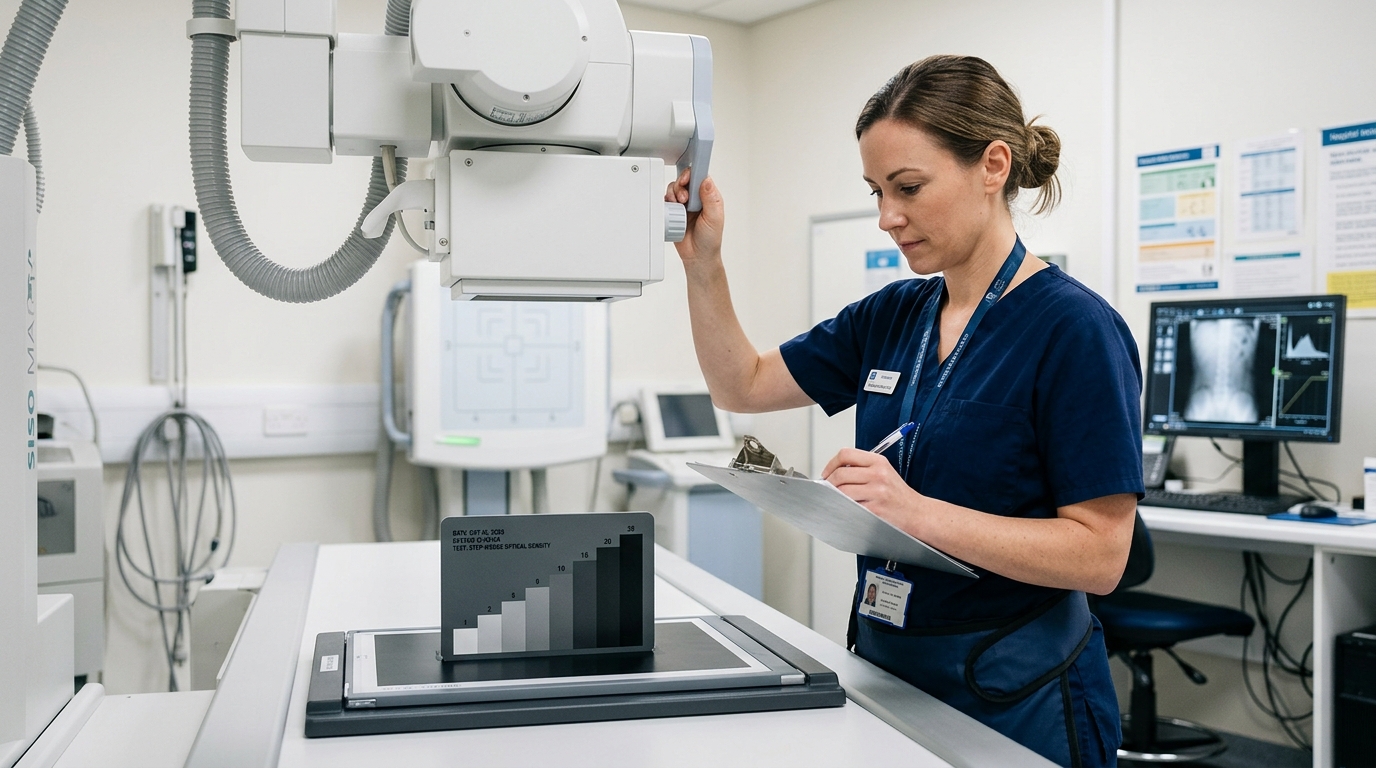
Quality Assurance in Radiology: Why QA Culture Affects Retention
April 21, 2026

Travel Rad Tech Life: The Honest Pros and Cons Nobody Tells You
April 21, 2026